
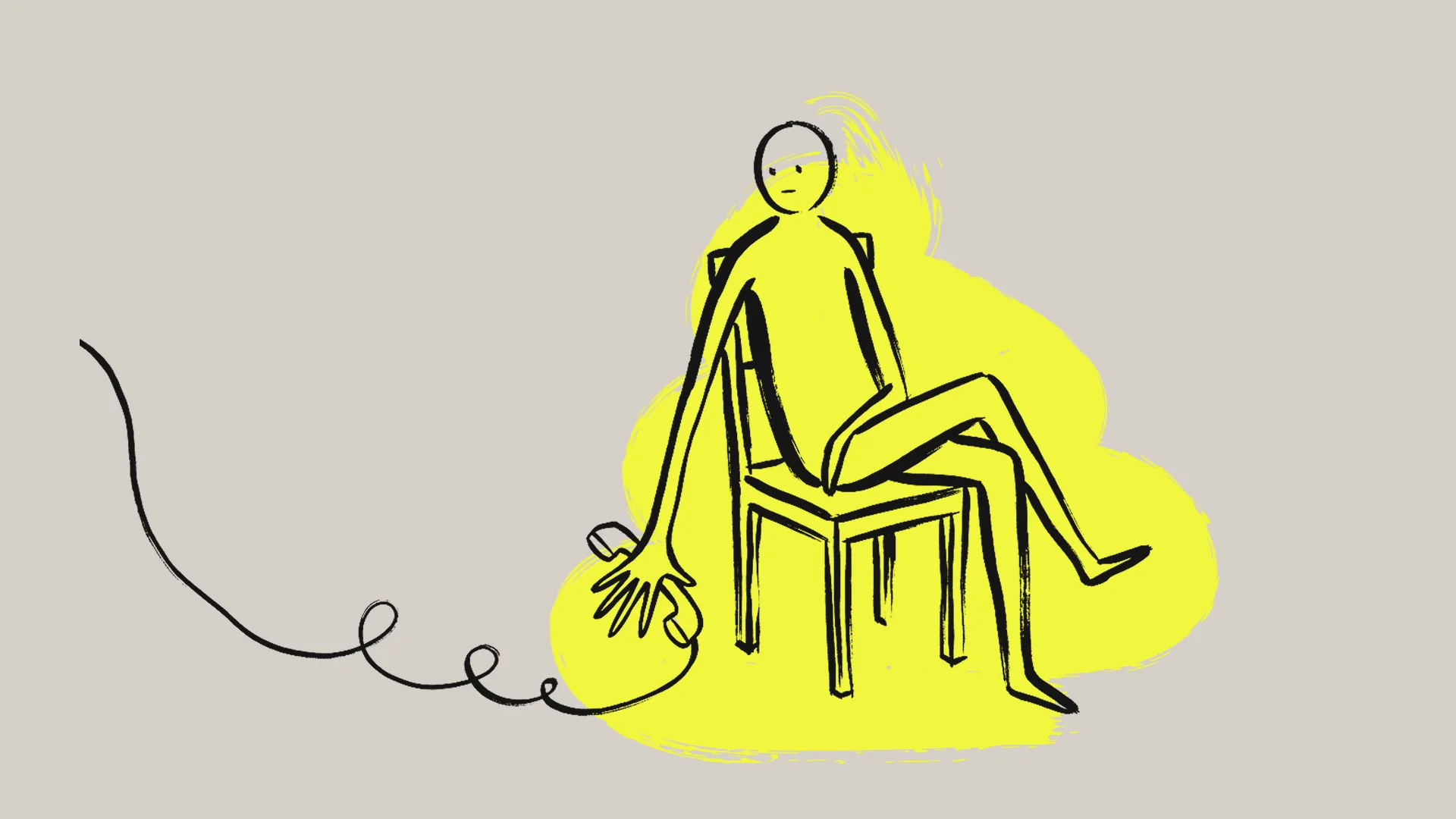
There is a moment in most PR campaigns where something shifts. You stop pitching a journalist and they start calling you. Not because you sent the perfect email or had the flashiest announcement, but because you've become the person they trust to give them a useful quote on deadline, to explain something complicated in plain language, to pick up the phone at 4pm on a Friday when their editor needs one more voice for a story running that evening.
That shift, from pitching outward to being sought out, is the single most valuable thing that can happen to your media profile. And it's the thing almost nobody talks about, because it doesn't look like a win on a coverage report. It looks like a quiet Tuesday afternoon phone call that turns into a paragraph in next week's feature.
At Payper, we see the difference constantly. Some clients generate coverage primarily through proactive campaigns, which is fine and necessary, while others have reached a point where journalists come to them. The second group, without exception, gets more coverage, better coverage, and coverage that lasts longer in the public conversation. They've become what newsrooms call a go-to source.
What does it actually mean to be a go-to source?
A go-to source is someone a journalist keeps in their mental shortlist for a particular topic. When a reporter is writing about electric vehicles in New Zealand, there are probably three or four people they'll call first. When someone is covering the startup funding landscape, there's a handful of founders and investors whose names come up every time. These aren't necessarily the most famous people in their field, they're the ones who are reliably available, reliably quotable, and reliably honest.
The distinction matters because most founders think of media coverage as something you campaign for, a press release, a pitch, a story. And that's true, campaigns are the engine of PR. But the compounding effect, the thing that turns occasional coverage into genuine media presence, comes from being the person journalists think of when they need an expert voice on your topic, even when you haven't pitched them anything.
Muck Rack's 2026 State of Journalism report found that 58% of journalists actively want access to credible sources, ranking it as one of their top three priorities when evaluating a pitch. That number tells you something important: journalists aren't just looking for stories, they're looking for people they can rely on to make those stories better.
Why journalists need reliable sources more than ever
New Zealand's media landscape has contracted dramatically. Census data shows journalist numbers dropped from roughly 4,200 in 2006 to about 1,400 today, fewer journalists than the New York Times employs on its own. The reporters who remain are covering more beats, writing more stories, and working to tighter deadlines than at any point in the industry's history.
What that means in practice is that a journalist writing about your industry probably doesn't have time to cold-call five potential sources for every story. They have a mental list of two or three reliable people, and those are the ones who get quoted. If you're not on that list, you're essentially invisible to that reporter's coverage unless you actively pitch them something.
The Cision 2026 State of the Media report reinforces this: 66% of journalists now rely on PR-provided content to find story ideas, and 86% reject pitches that aren't aligned with their beat. Journalists are simultaneously more dependent on outside sources and more ruthless about filtering out the ones that waste their time. The gap between being useful and being ignored has never been wider.
How do you position yourself as an expert journalists trust?
The honest answer is that it takes time, and the path is less glamorous than most founders expect. You don't become a go-to source by sending a single brilliant pitch. You become one by being consistently available, consistently knowledgeable, and consistently easy to work with over months and years.
There are a few things that accelerate the process, though, and they're all within your control.
Pick your lane and own it. The more specific your expertise, the more useful you are to a journalist. "Tech founder" is too broad. "Founder building EV charging infrastructure in New Zealand" is specific enough that a reporter covering the energy transition will remember you. When we worked with Evnex, their positioning wasn't "EV company," it was the team that understood the intersection of hardware, software, and New Zealand's electricity grid. That specificity made them the obvious call whenever a journalist needed commentary on EV infrastructure, even when they hadn't pitched the story themselves.
Say yes quickly. Journalists work on deadlines that most founders don't fully appreciate. When a reporter calls at 2pm needing a quote by 4pm, the person who picks up the phone and gives them something usable in fifteen minutes wins. The person who says "let me check with my comms team and get back to you tomorrow" doesn't get called again. Muck Rack's research found that 70% of journalists prioritise coverage alignment, but alignment alone isn't enough if you can't deliver on their timeline.
Be quotable, not comprehensive. A journalist doesn't need your entire thesis on a topic. They need one clear, opinionated sentence they can put in quotation marks. The best sources understand that a ten-minute phone call is more valuable than a ten-page briefing document, and that a strong opinion expressed simply will always beat a nuanced position that takes three paragraphs to explain. This is something we coach Payper clients on before media interviews, because the instinct to be thorough often works against you in a media context.
Publish your thinking. LinkedIn has become the most trusted social platform among journalists, with 58% ranking it highly according to Muck Rack's 2026 data. If you're regularly sharing informed commentary on your industry, on LinkedIn, on your company blog, in industry publications, journalists will find you before you find them. The founders I see doing this well aren't posting motivational content or company updates, they're sharing genuine opinions about their industry that a journalist could screenshot and use as a starting point for a story.
What should you actually say when a journalist calls?
This is where a lot of founders freeze up, and I understand why. The stakes feel high, and the instinct is either to over-prepare or to defer to someone else. But the founders who become go-to sources have figured out a few things about what journalists actually need from a phone call.
First, be honest about what you know and what you don't. Nothing builds trust faster than a source who says "I can speak to X, but I'm not the right person for Y, you should talk to..." and gives them another name. Journalists remember that honesty, and they respect it. It also means the next time they call you, they trust that what you're telling them is within your genuine expertise.
Second, give them something they can't get elsewhere. Your value as a source isn't in repeating what's already public knowledge, it's in offering a perspective that only someone with your specific experience could provide. If you're a founder who's just been through a funding round, the interesting quote isn't "we're excited about the investment," it's your candid observation about what the process was actually like, what surprised you, what you'd do differently.
Third, follow up. If a journalist calls and you promise to send them a data point or a contact, do it within the hour. Sounds obvious, and yet the number of sources who don't follow through is remarkable. Every promise you keep is a deposit in a trust account that will pay dividends for years.
We have a more detailed guide on preparing for media interviews that covers the tactical side of this, including bridging techniques and building an anecdote bank, which are useful whether you're responding to an inbound call or doing a scheduled sit-down.
How does being a go-to source compound in New Zealand's small market?
In a market with roughly 1,400 working journalists, many of whom cover overlapping beats, becoming a trusted source for one reporter often means becoming known to several. Journalists talk to each other. They share source lists. They recommend people who were easy to work with and gave good quotes. In larger markets like the US or UK, these referral effects are diluted by sheer numbers. In New Zealand, they compound rapidly.
I've seen this pattern with Payper clients repeatedly. A founder does one strong interview for a business reporter at the Herald, and within a few months they're getting calls from Stuff, NBR, and RNZ, not because we pitched those outlets, but because the first journalist mentioned them as a reliable source to a colleague. In a newsroom of thirty people where everyone sits within earshot of each other, that kind of word-of-mouth recommendation carries enormous weight.
The same dynamic works in reverse, which is worth being aware of. If you're difficult to work with, unresponsive, or give a journalist inaccurate information, that reputation travels just as fast. New Zealand's media market is small enough that you are, in a real sense, building a permanent relationship with the entire press gallery, not just the individual reporter on the other end of the phone.
What mistakes cost you a place on a journalist's source list?
Most of the mistakes aren't dramatic. They're quiet, repeated failures that erode trust gradually rather than destroying it in one moment.
- Being unavailable when it matters. If a journalist calls twice and you don't get back to them, you're off the list. They don't have time to chase sources. Someone else will pick up the phone.
- Trying to control the story. Sources who insist on seeing quotes before publication, demand approval rights over the final article, or try to steer the conversation away from legitimate questions don't get called back. Journalists need sources who trust them to do their job.
- Being boring. This one is underappreciated. If your quotes are corporate boilerplate that could have come from any company in your industry, you're not useful. Journalists need colour, opinion, and specificity. "We're excited about the opportunity" is not a quote, it's filler.
- Going quiet between campaigns. If you only engage with media when you have something to announce, you're a pitch source, not a go-to source. The relationship needs to exist outside of your own PR calendar. Comment on industry news, respond to journalist queries on social media, share useful data when you come across it, even when it has nothing to do with your company.
The long game is the only game
Becoming a go-to source isn't a campaign with a start and end date. It's a posture, a way of engaging with media that compounds over time and pays dividends you can't predict in advance. The founder who spends fifteen minutes on the phone helping a journalist understand a technical concept today might see that same journalist write a major feature about their company eighteen months from now, not because they were pitched, but because they were remembered.
At Payper, this is one of the things we work on with clients beyond individual campaigns, helping them understand what journalists actually need from sources, coaching them on being quotable and responsive, and positioning them in front of the right reporters at the right time. The 40% of journalists who told Muck Rack they value original data from sources are telling you exactly what the currency of this relationship is: be useful, be specific, be available.
Payper is a results-based PR agency in New Zealand, which means our clients only pay when coverage lands. But the coverage that matters most, the kind that builds genuine authority, often starts with a phone call you didn't expect, from a journalist who already knows your name.
If you're thinking about how to build that kind of media presence, or you want to understand whether your business is ready for the conversations that come with being a go-to source, get in touch here and we'll give you a straight answer.