
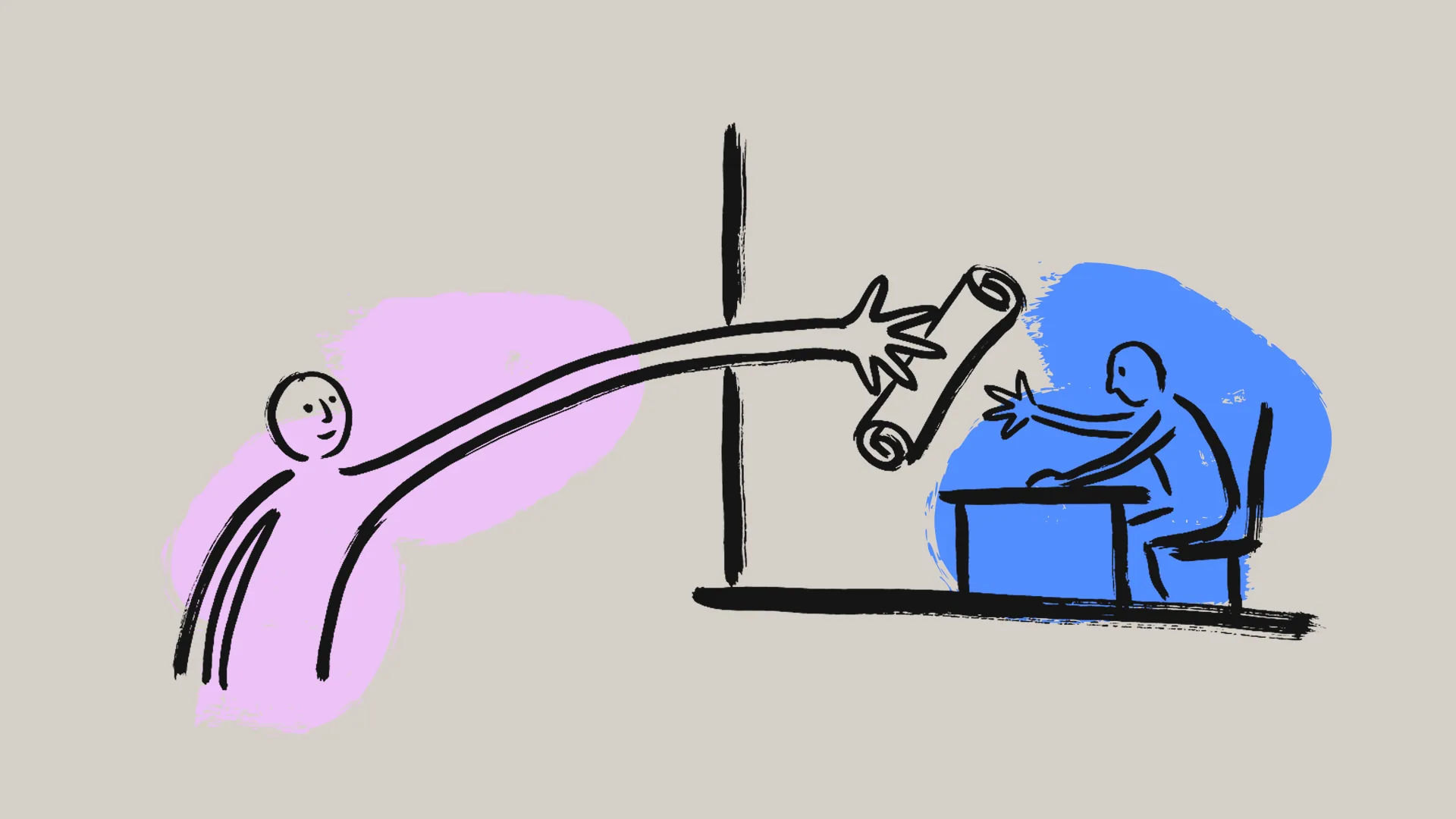
I get asked this question at least once a month, usually by a founder who's just landed their first round of media coverage and is wondering what comes next. They've worked with an agency on a campaign or two, they've seen what good PR can do, and now they're weighing up whether to hire someone full-time or keep outsourcing.
It's a fair question. The honest answer depends on where your business is, what you actually need done, and how much you're willing to spend to get it right. I've been on both sides of this, as a journalist watching PR people operate, as someone who runs an agency, and as a business owner who's had to make hiring decisions with limited cash. So let me walk you through how I'd think about it.
What does a comms person actually do day-to-day?
More than most founders realise. A good comms hire doesn't just write press releases, they're managing your brand narrative across media, social, internal channels and stakeholder communications. They're building journalist relationships, drafting speeches, preparing talking points, managing crises before they escalate, and making sure every public-facing message aligns with where the business is heading. According to Cision's Inside PR 2026 report, storytelling is now the most in-demand skill in the profession, cited by 59% of respondents, ahead of even media relations and data analysis.
The role is broad, and if you hire the wrong person for it, or hire before you have enough work to keep them busy, you end up paying a full-time salary for part-time output.
The real cost of hiring in-house
In New Zealand, a communications officer salary sits between $70,000 and $80,000, according to SEEK's 2026 data. A senior comms specialist with eight or more years' experience will cost you closer to $130,000. Add KiwiSaver, ACC, leave, equipment, software subscriptions, professional development and management time, and you're looking at somewhere between $100,000 and $180,000 a year for one person.
That's before they've sent a single pitch. And one person, no matter how talented, has a ceiling. They bring one set of journalist contacts, one perspective, one network. When they go on leave, your comms function goes on leave too.
None of this means hiring in-house is wrong. It just means you need to be clear-eyed about what you're buying and whether you have enough work to justify it. We've covered PR pricing in New Zealand in more detail separately, but the core tension is the same: you're always trading cost against capability.
When does an agency make more sense?
For most businesses under about $10 million in revenue, an agency is the smarter play, and I'd say that even though I run one. Agencies give you access to a team of people with different specialisations, different media contacts, and experience across multiple industries and campaigns. Globally, 62% of companies outsource digital PR to specialist agencies, and the percentage is higher among smaller companies that can't justify a full internal team.
The economics are hard to argue with. At Payper, our Light retainer runs $2,000 a month, which works out to $24,000 a year, roughly a quarter of what you'd spend on a mid-level in-house hire. Even our Heavy tier at $5,000 a month costs less than half of a single senior salary, and you get a team rather than an individual.
Agencies also give you flexibility you can't get with a permanent hire. You can scale up around a product launch or funding round and scale back when things are quieter, without the emotional and financial weight of restructuring someone's role. When we worked with Evnex on their ongoing PR, the intensity ebbed and flowed with their product development cycle, something that would have been difficult to manage with a single in-house person. And when Payper ran the media campaign for Meridian Energy's Community Decarbonisation Fund, the project needed a concentrated burst of national pitching rather than a permanent communications presence.
When is it time to bring comms in-house?
There's a point where it genuinely makes sense to hire, and you'll know you're there when several things are true at once. You have enough internal communications work, stakeholder reporting, board updates, employee comms, event coordination, that you need someone embedded in the business full-time. Your CEO or founder is doing three or more media interviews a month and needs dedicated preparation support. Your brand narrative is complex enough that an outsider will always be playing catch-up. Or you're in a regulated industry where compliance review on every piece of content means an in-house person saves more time than they cost.
Big organisations reach this point quickly. A company with 200 employees, multiple product lines and regular investor communications probably can't function without at least one dedicated comms person. But a 15-person startup with a great product and a story to tell... that's exactly the kind of business where an agency relationship will stretch further and deliver more.
Can you do both?
Yes, and this is the model most people overlook. Some of the best results I've seen come from businesses that hire a junior or mid-level comms person to handle the day-to-day, internal newsletters, social media, stakeholder updates, event logistics, and then bring in an agency for the higher-stakes media work.
The in-house person becomes the keeper of the brand. They know the business inside out, they can brief the agency quickly and efficiently, and they handle the steady rhythm of content that keeps a brand visible between big moments. The agency brings the journalist relationships, the media training expertise, and the surge capacity for when something big happens. Muck Rack's 2026 report found that 43% of agencies now offer AI training compared to just 31% of in-house teams, which tells you something about where specialist capability tends to concentrate.
Payper works with several clients who operate exactly this way. Their comms person handles the content calendar and internal communications, and we step in with media strategy, press releases and pitching. It works because everyone's doing what they're best at.
The question most founders forget to ask
The decision between in-house and agency is usually framed as a cost question, but the more important question is about capability. What do you actually need done, and who is best placed to do it?
If you need someone who can sit in your leadership meetings, understand the politics, manage your internal comms and be across everything your business is doing from the inside, that's an in-house hire. If you need someone who can pick up the phone and get a journalist interested in your story, who knows how to frame a pitch that cuts through the thousand AI-generated emails in that journalist's inbox, and who can land you in the New Zealand Herald or on Newshub... that's almost certainly an agency.
And if you need both, you need both. There's no rule that says you have to choose. Payper is a results-based PR agency in New Zealand where clients only pay when coverage lands, so combining an in-house person with a pay-for-performance agency like ours can actually reduce your risk compared to loading everything onto a single hire and hoping they can do it all.
The worst version of this decision is hiring someone full-time when you only have three months of real work for them, then watching them drift into tasks that don't move the needle because they need something to do. The second worst is paying an agency to do work that someone sitting in your office could do better, faster and cheaper.
Get honest about what you need, be realistic about what each option actually costs, and you'll make the right call.
Get in touch here and we'll give you a straight answer.