
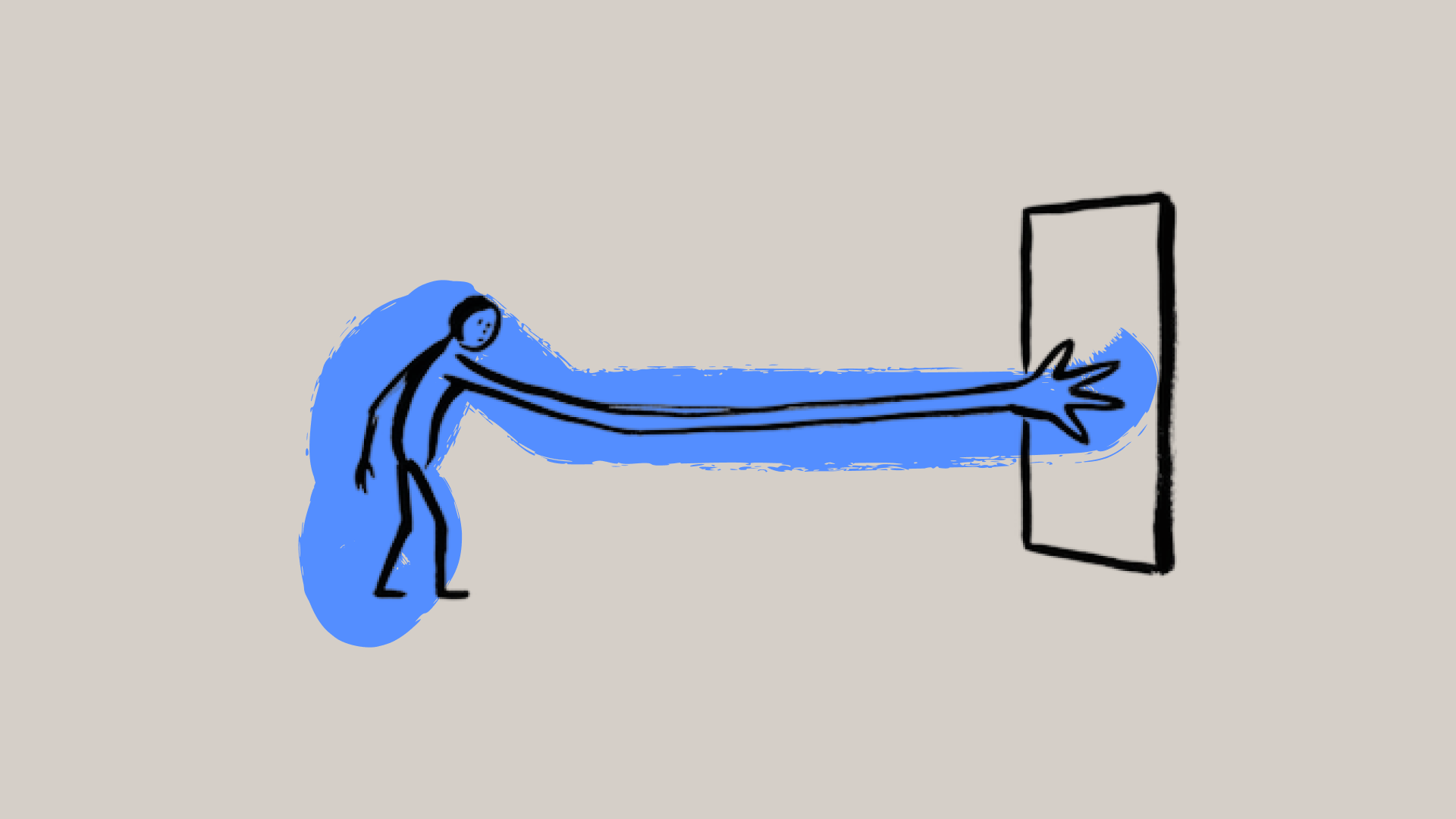
One of the most common conversations I have with founders starts the same way. They've been building for a year or two, they've got a product that works and customers who are paying, and somewhere along the way the question has started nagging at them: should we be doing PR by now?
It's a fair question, and the honest answer is probably not what most people expect. In my experience, the bigger risk isn't starting too early. It's waiting so long that you miss the windows where media coverage could have done the most work for you.
Most founders wait too long
There's a pattern I see constantly. A founder spends months or years focused entirely on the product, lands some solid traction, maybe raises a round or wins an award, and only then starts thinking about getting their story into the media. By that point, some of the best windows have already closed. The launch story would have been awesome to announce a year ago. The seed round announcement that would have been a compelling story six months ago is old news. The partnership that felt exciting at the time was never shared beyond a LinkedIn post. The early customers who would have made great case studies have moved on to other things.
The mistake is understandable, because PR feels like something you add once the fundamentals are in place and also because Kiwi founders tend to be humble and afraid to be seen as blowing their own trumpet. But the most valuable things media coverage builds, journalist relationships, brand recognition in your category, the ability to be found when someone searches for what you do, are assets that compound over time. The earlier you start building them, the more they're worth when you actually need them.
The readiness signals that matter
So what does "ready" actually look like? I've worked with enough early-stage companies to know that readiness has less to do with your funding stage and more to do with a handful of practical signals.
First, you need to be able to explain what you do in a sentence. Not because your business is simple, but because you've done the hard work of making it clear. Journalists don't have time to decode your value proposition, and neither do their readers.
Second, you need something genuinely worth talking about. A launch, a milestone, a funding round, a piece of data that surprises people, or even a strong opinion about where your industry is heading. The key word is genuine, not manufactured, not inflated, not dressed up to sound bigger than it is. We've written about how to tell whether your story is actually news if you want a framework for that.
Third, you need proof that your product works for someone other than you. Even a small number of paying customers is enough, because what journalists are really looking for is evidence that real people believe in what you're building.
And fourth, you need a founder who's willing to be the voice of the story. Media coverage in New Zealand tends to follow people more than brands. If you or your co-founder can talk about what you're building with genuine enthusiasm and a bit of personality, that's half the battle won. We've put together a detailed guide on how to tell your founder story that's worth reading before your first pitch goes out.
The funding stage question
A lot of founders assume PR is a Series A expense, something you budget for once you've got a proper marketing team and the revenue to justify the spend. I understand the logic, but it's often backwards.
Some of the most effective PR campaigns we've run at Payper have been with seed-stage companies. At that point the story is still fresh, the founder is accessible and keen to talk, and journalists can write about something genuinely new rather than a growth-stage company releasing another incremental product update.
The research reinforces this. The average gap between seed and Series A has stretched to roughly 600 days, and in that window, companies that already have a media presence find it significantly easier to raise their profile when the next milestone arrives. We've written about how long PR actually takes to show results if you want the honest timeline. Starting from zero at Series A means you're building the plane while trying to fly it.
What "too early" actually looks like
There genuinely is such a thing as too early for PR. If you're pre-product, pre-revenue, and your pitch is essentially "we're going to change the world, but we haven't built it yet," most journalists will pass – unless you have serious credibility as a team. They need something concrete to anchor the story, not a vision deck and a timeline.
The test I use is straightforward: is there a story here that a journalist could write today, based on things that have already happened, without having to take your word for everything? If the answer is yes, even a modest story, you're ready. If the answer is "well, once we launch in three months," you're not quite there yet, and that's genuinely fine. Use the time to get your story straight, understand what makes it newsworthy, and start paying attention to which journalists cover your space. When the moment comes, you'll be able to move quickly instead of scrambling.
The cost question
The third thing founders usually mean when they ask about timing is whether they can afford PR right now. It's a legitimate concern, and I won't pretend media relations is free. But the traditional agency model, where you're locked into a $5,000 to $15,000 monthly retainer for six to twelve months regardless of whether anything lands, isn't the only option anymore.
We built Payper around a different model for exactly this reason: a pitch fee when you start and a success fee when coverage lands. The traditional approach is genuinely broken for early-stage companies who need to see a return before committing thousands a month. We've written a detailed breakdown of what PR costs in New Zealand if you want the full picture, but the short version is this: if you have a story worth telling, budget is rarely the thing that actually stops you.
What stops most founders is uncertainty. They're not sure whether their story is strong enough, whether they'll actually get coverage, whether the investment will be worth it. And if your story isn't ready, spending more money won't fix that. But if your story is ready and you keep waiting because you're uncertain, you're leaving opportunities on the table that don't come back around.
The New Zealand factor
New Zealand's media landscape makes timing both easier and trickier than founders in larger markets might expect. Easier, because we have a relatively small pool of business and technology journalists, which means the barrier to getting someone's attention is lower than in Sydney or London or San Francisco. Cision's 2026 State of the Media research found that 86% of journalists reject pitches that aren't aligned with their beat, which means relevance matters far more than volume, and in a small market like ours it's entirely possible to know who covers what and approach them accordingly.
The flip side is that those same journalists see a lot of pitches from a limited pool of companies, and their patience for stories that aren't quite ready is low. New Zealand's startup ecosystem raised over $307 million in the first half of 2026, growing more than 26% on the previous year, which means more companies competing for the same column inches. Getting in early, when your story is still fresh and genuinely novel, gives you an advantage that becomes harder to claw back once the field gets crowded.
The other thing worth understanding about the NZ market is that journalist relationships compound here in a way they simply don't in larger media ecosystems. A journalist who covers your seed round well is genuinely likely to come back for your next announcement, because they've already invested time understanding your business and writing a follow-up is far less work than starting from scratch with a company they've never heard of. That's perhaps the strongest argument for starting earlier rather than later: you're not just getting one story, you're planting the seed for the next three.
What to do if you're not quite ready
If you've read this far and you're thinking "I'm probably six months away," that's a useful place to be. There's real groundwork you can start now that will make PR dramatically more effective when the time comes.
Get clear on your story, the one-sentence version of why you exist and who you help. Work out whether what you're building passes the newsworthiness test. Start paying attention to which journalists and publications cover companies like yours, and what kinds of stories they tend to run. If budget is tight right now, take a look at our guide to doing your own PR on a limited budget, because even informal outreach builds the kind of familiarity that pays off later.
When you are ready for a proper campaign, the conversation with any good agency should feel straightforward. You shouldn't need to convince them that your story is worth telling, it should be obvious from the first call. If it isn't obvious, a good agency will tell you that honestly rather than taking your money and hoping for the best. That's certainly how we approach it at Payper, and we've written about why we turn down around 30% of the businesses that approach us if you want to understand our thinking.
The right time to start PR is almost always earlier than you think. Not before you've built something real, but well before you've exhausted every other growth lever and finally turned to media as a last resort. If you've got a product that works, customers who care, and a founder willing to tell the story... you're probably closer to ready than you realise.
Get in touch here and we'll give you a straight answer.